Rental living in North York comes with comfort, transit access, and a wide mix of high-rise towers, condos, and rental buildings. It also comes with a distinct pest risk profile than detached homes. In dense areas like Yonge and Sheppard, pest issues can move fast through multi-unit buildings, especially where shared walls, common areas, and busy tenant turnover create clear routes for an infestation.
Targeted pest control North York strategies for apartments need to account for building design, occupant habits, and the realities of condo pest control and rental-unit management. A localized solution is usually more effective than a one-time spray because pests in apartment buildings often spread between units, hide in harbourage areas, and return without monitoring, exclusion, and follow-up inspection.
This guide explains the most common pests in North York apartments, how to spot an active infestation, what causes problems, and how residents, landlords, and property management teams can work together on proactive prevention, treatment, and ongoing maintenance.
Why Apartment Buildings in North York Need Targeted Pest Control
Apartment pest control in North York is not the same from detached pest control because of shared-building design. In multi-unit buildings, pests do not stay neatly inside one apartment. They can travel through shared walls, pipe openings, pipes, ceiling voids, and common areas. That means one untreated unit can affect several others, which is why whole-building coordination matters.
Changing occupants also plays a significant role. When residents come and go frequently, furniture, boxes, and personal items can carry bed bugs, cockroaches, or even mice into a building. Move-ins, move-outs, and storage room traffic can all contribute to early detection challenges if the building is not monitoring closely.
Condos, rentals, and apartment towers along transit corridors such as Yonge and Sheppard often see increased demand, greater traffic, and more communal systems. In that environment, pest control North York providers usually recommend inspection-based planning instead of reacting only after a complaint. The goal is minimizing risk, not just temporary relief.

Typical Condo Pests in North York Buildings
North York buildings can invite a range of pests, but some turn up more often in apartments and high-rises than others. Bed bugs are a major concern because they spread through luggage, furniture, and neighbouring units. They do not require poor housekeeping; they only need access to hosts and hiding places.
Cockroaches are another common issue in kitchens, utility chases, garbage rooms, and basement areas. They flourish where food residue, moisture, and clutter are present. In apartment buildings, cockroach control often requires baiting, monitoring, and sanitation work across multiple suites and shared areas.
Mice also become a recurring problem, especially during colder months when rodents seek indoor shelter. In North York’s dense neighbourhoods, they can move between building voids and enter through tiny entry points around pipes, doors, and vents.
Ants may invade in warmer seasons, especially if food waste is easy to access. While ants can sometimes seem minor, recurring activity often points to a nearby nest or a moisture issue that needs attention.
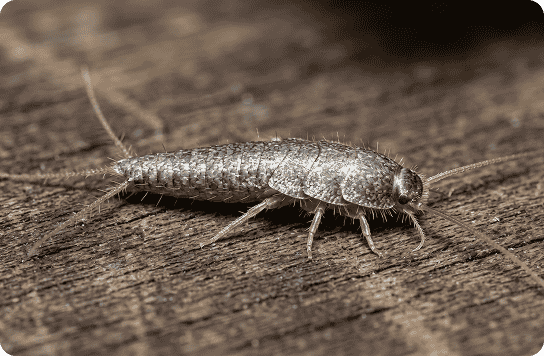
Other pests that appear in apartment buildings include spiders, silverfish, and cluster flies. Spiders may follow other insects indoors, silverfish prefer damp, undisturbed spaces, and cluster flies often become noticeable when they shelter inside buildings during seasonal changes. Even if these pests are less alarming than bed bugs or mice, they still signal conditions that support pest activity.
Indicators of a Pest Infestation in a Condo or Lease Unit
The moment a pest issue is identified, the simpler it is to address. In condos and rental units, residents should look for droppings in cupboards, along baseboards, inside drawers, or near appliances. Droppings are one of the most obvious signs that a pest may be active nearby.
Chew marks on bed covers, sofas, packaging, or cables can also suggest pest issues, depending on the type of pest. Bed bugs may leave bites on skin, while rodents may chew on materials and leave visible damage. If you are seeing repeated signs in the same areas, the problem may be more advanced than it first seems.
One musty odor can point to concealed infestation presence, especially in closed-off spaces or areas with moisture. Cockroaches and rodents can produce strong smells when they nest in voids, under appliances, or near waste spots.
Active insects are one more noticeable indicator, but many pest problems remain out of sight until they become serious. Spotting even a handful of active bugs during the daylight may indicate overpopulation, broken harbourage, or a bigger population nearby. In apartment pest control, seen pests often show the issue is already active somewhere beyond the apparent location.
If you see several of these signs at once, it is wise to book an inspection quickly. Catching it early can reduce spread into additional rental units or adjacent suites and increase the chances of successful eradication.
What Causes Pest Issues in North York Apartments
Many apartment pest problems are fueled by access to food, water, and shelter. Food waste is a key factor, especially when garbage is left out, bins are not sealed, or crumbs and spills build up in kitchens. Pests need very little much to survive, which is why sanitation matters so much in dense buildings.
Moisture is another key driver. Leaks under sinks, condensation around pipes, damp basements, and poorly ventilated bathrooms can all attract insects and rodents. Moisture control is especially important for cockroach control and for limiting conditions that support silverfish and other pests.
Clutter gives pests more places to hide. Boxes, stacked storage, paper goods, and unused items create harbourage and make monitoring more difficult. In apartments, clutter is not only an organization issue; it also reduces access for treatment and makes inspection less effective.
Entry points are often overlooked. Cracks in walls, gaps around baseboards, openings around pipes, worn weather stripping, and unsealed utility penetrations can allow pests to move between units or enter from hallways and service areas. Exclusion work closes these routes and is one of the best long-term prevention steps.
In North York’s multi-unit buildings, these causes often overlap. A single suite may have a small moisture problem, while the unit beside it has poor garbage practices and the hallway has worn seals. That combination can support ongoing infestation unless building management coordinates a broader response.
Apartment Pest Control Methods That Are Effective
Proper apartment pest control usually begins with a detailed inspection. A good inspection pinpoints the pest species, the extent of activity, likely entry points, and the areas where harbourage is most likely. Without inspection, treatment can miss the source and only lower visible activity for a short time.
Integrated pest management is the recommended approach for most apartment buildings because it brings together monitoring, sanitation, exclusion, targeted treatment, and follow-up inspection. This method is especially valuable in multi-unit buildings where a one-time chemical application may not solve the root problem.
For bed bugs, heat treatment can be a powerful option because it reaches hidden areas and helps eliminate pests in furniture, seams, and cracks when properly applied. Bed bug treatment often requires resident preparation, building coordination, and continued monitoring afterward to verify success.
Baiting is commonly used for cockroaches and sometimes for ants. Bait stations allow pests to carry the active material back to nests or harbourage areas, which can improve control in hard-to-reach spaces. In apartments, baiting is often paired with residual control in targeted locations and with sanitation improvements.
Non-chemical methods also matter. Vacuuming, steam, sealing cracks, improving storage practices, and reducing moisture can all support treatment. These methods are especially useful where discreet service is needed or where the building wants to minimize disruption for residents.
For mice, exclusion is critical. Even the best baiting program will not be enough if rodents can keep entering through gaps and shared service lines. That is why a strong treatment plan in North York apartments usually combines exclusion, monitoring, sanitation, and repeated checks until the problem is resolved.
How Property Managers Should Act
In Ontario, apartment pest control works best when each person understands their responsibility. Landlord responsibility usually includes upkeeping the building, organizing treatment, and ensuring shared spaces and structural issues are addressed. If pests are spreading through common areas, building management needs to respond swiftly and share clear updates with affected residents.
Tenant responsibilities typically include reporting problems early, preparing the unit for treatment, and following instructions before and after service. This may involve clearing access to baseboards, reducing clutter, bagging items properly, and cleaning surfaces as directed. If residents do not complete preparation, treatment may be more limited.
Property management plays a key role in coordination. In multi-unit buildings, management often needs to inform neighbouring suites, arrange access, and schedule follow-up inspection. Good communication helps prevent delays and reduces frustration, especially when pest activity has been linked to several rental units or to common areas such as laundry rooms, waste rooms, and hallways.
Clear communication also supports compliance with treatment plans. If a building is using bait stations, heat treatment, or another targeted approach, residents should know what to expect, what not to do, and when to report new activity. The faster information moves, the more effective the result.
In North York apartment buildings, fast reporting and coordinated action often matter more than any single treatment. Pest control is most effective when building management, landlords, and tenants work from the same plan.
Prevention Tips for North York Residents
Preemptive action is the best way to lower pest pressure in apartments. Good sanitation habits make a real impact. Remove food spills quickly, clean counters, empty small garbage bins often, and keep sink areas free of residue that could attract cockroaches, ants, or mice.
Blocking entry points is another important step. Choose appropriate materials https://caledon-onyl627.opalvector.com/posts/heritage-attractions-and-favourite-spots-to-explore-in-markham-on to close gaps around pipes, vents, and baseboards where permitted, and report larger structural openings to property management. Exclusion protects individual units and also reduces movement through shared walls.
Storage habits matter too. Keep belongings in sealed containers where possible, avoid storing items directly on the floor, and reduce clutter that can provide hiding places. Cardboard boxes are especially common harbourage areas, so switching to plastic bins can help with early detection and prevention.
Waste management should be consistent and careful. Take trash out regularly, keep waste in sealed bags, and avoid leaving recyclables with food residue sitting too long. In apartment buildings, common garbage rooms can become pest hotspots if bins are overfilled or lids do not close properly.
Moisture control should also be part of routine prevention. Repair leaks promptly, run bathroom fans when appropriate, and keep kitchen and bathroom areas dry. Reducing moisture makes the environment less attractive to insects and less favourable for continued infestation.
For North York residents, these habits are especially important in dense buildings where one unit’s conditions can affect another. Prevention is not only about protecting your own suite; it is also about reducing the chance of spread in the building as a whole.
Why Local Pest Control Matters in North York
North York is part of the City of Toronto, and pest control in this area must fit local apartment-building realities, Ontario compliance expectations, and the way tenant-landlord processes usually work in urban rental housing. Tall residential buildings, condo towers, and older rental properties all present different challenges, but they share one thing: pests can move through connected spaces quickly.
Area density is a significant consideration. Within crowded buildings and closely packed blocks, pests have greater chances to travel from one suite to another. Shared wall construction increases that chance, especially where systems, vents, and wall voids connect units in ways residents cannot see.
Weather-related pest activity also plays a role. These pests often seek indoor shelter in freezing months, which can increase calls for mice control in late fall and winter. These insects and roaches, however, can stay active year-round because indoor conditions stay comfortable and stable. That means apartment pest control should be planned as an ongoing maintenance priority, not just a seasonal fix.
Local experience matters too. A provider well-versed with North York understands the property styles near Yonge and Sheppard, the pace of condo management, the realities of rental units, and the need for discreet service in occupied buildings. That local knowledge can boost inspection quality, treatment planning, and follow-up inspection timing.
In cases where pest pressure is linked to dense housing and shared systems, a generic approach is usually insufficient. North York buildings respond well to tailored approaches that combine proactive protection, monitoring, barrier control, and targeted intervention across affected areas.
Frequently Asked Questions About Apartment Pest Control
What pest control works best for apartments in North York?
The best apartment pest control method is usually a pest management approach. It combines careful inspection, monitoring, hygiene, exclusion, focused treatment, and subsequent inspection. For North York apartments, this is a good fit because pests often spread via shared walls, shared spaces, and multi-residential buildings. The proper treatment depends on the pest, but a targeted solution is usually more effective than a single spray.
How do I know if my apartment has bed bugs or cockroaches?
Bed bugs commonly present themselves as bites, small stains on bedding, and evidence around mattresses, box springs, or furniture seams. Roaches are more likely to leave droppings, a distinct musty odour, and presence in kitchens, bathrooms, or around appliances. Seeing live insects is a clear warning sign, but an inspection is the most effective way to determine which pest is present and how far-reaching the infestation is.
Who is accountable for pest control in a North York rental unit?
In most cases, the landlord is responsible for maintaining the unit and building, while tenants are responsible for preparation, reporting issues promptly, and following treatment instructions. Property management often handles access, notices, and communication. Because rules can depend on the situation and tenancy arrangement, clear communication between residents and building management is essential.
How long does apartment pest treatment take?
The timeline depends on the pest, the level of activity, and the treatment method. Some treatments are completed in a single visit, while others require preparation, repeat visits, and a follow-up inspection. Bed bug treatment and cockroach control often take longer than a basic insect issue because they may require ongoing monitoring and more than one round of treatment.
How can I prevent pests from coming back after treatment?
Prevention after treatment depends on sanitation, moisture control, sealing cracks, better storage practices, and good garbage disposal. Keep an eye on entry points, reduce clutter, and report new signs quickly. In apartment buildings, continued communication with property management and residents in neighbouring units can help stop pests from returning or spreading again.